
Altanbulag: Homecoming After a Decade-Long Drift in the Cities
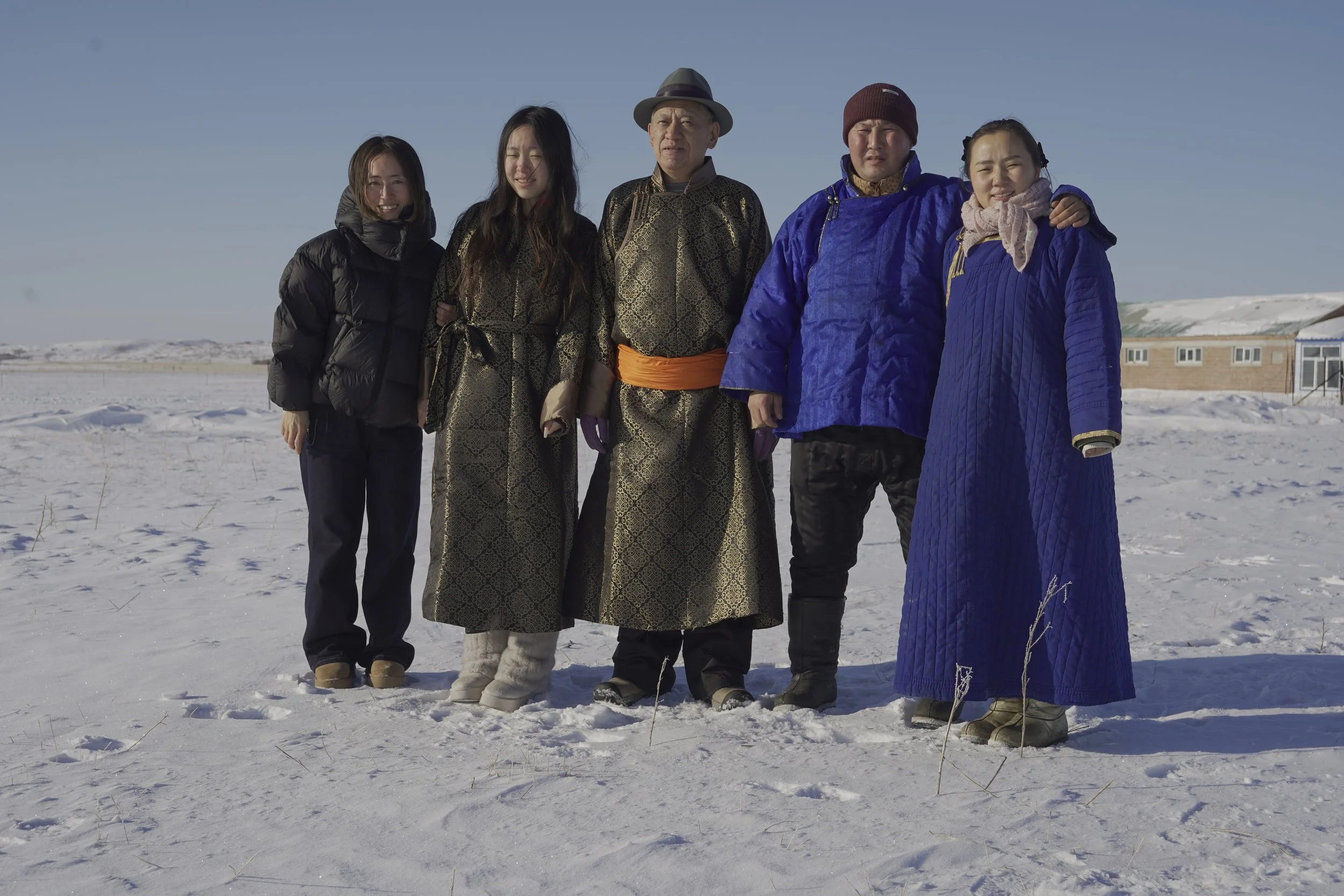
Nowadays, many individuals are indoctrinated by various forces of society to pursue wealth as a life goal. Altanbulag thinks otherwise. After being selected to the national wrestling team earning both fame and a salary, living comfortably in the city, he decides to return to the grassland, embracing it even when the wind feels like blades.
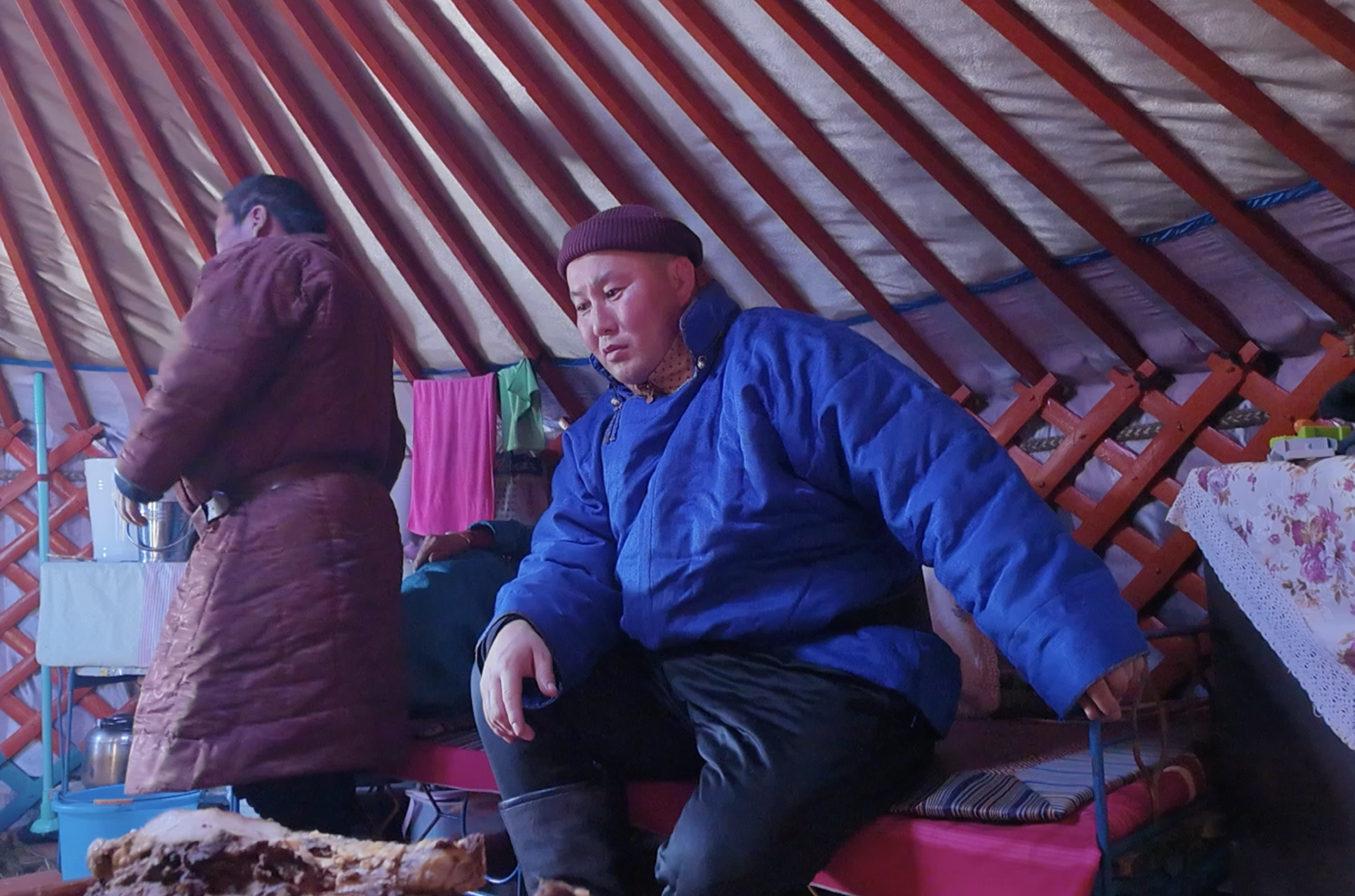
Alatan Baolige on the right; on the left his father.
His name is Alatan Baolige. He is a Chinese style wrestler.
At sixteen, he took a sum of money from his parents, left school, and stepped onto the path of professional wrestling. Over the years, he won gold medals at national level competitions, represented China in international tournaments, and claimed victory at the wrestling events held during the Mongolian Nadam festival.
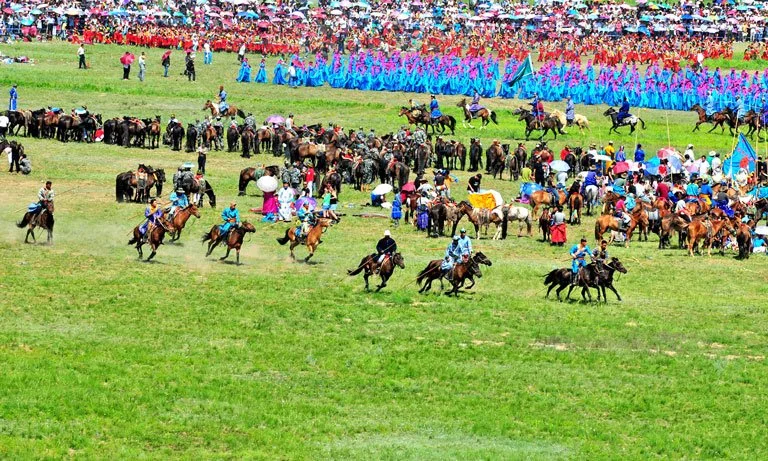
Picture of Naadam in Xilingol from Wikipedia
Then came the year of the pandemic. Training was forced to stop. His coach bought him a plane ticket home, and Alatan Baolige returned to his family ranch in Xin Barag Left Banner, on the Hulunbuir grasslands.
The pandemic dragged on for a long time, finally ending in early 2023. By then, Alatan Baolige’s wrestling career had also come to an end.
He shared with us what life was like on the wrestling team. As a professional sports team, discipline was strict, with countless rules and restrictions. Mongolians, however, are deeply attached to freedom, something evident in their way of life. A family of four or five may live across thousands of acres of grassland, relying on cattle and sheep, befriending horses, and living alongside nature.
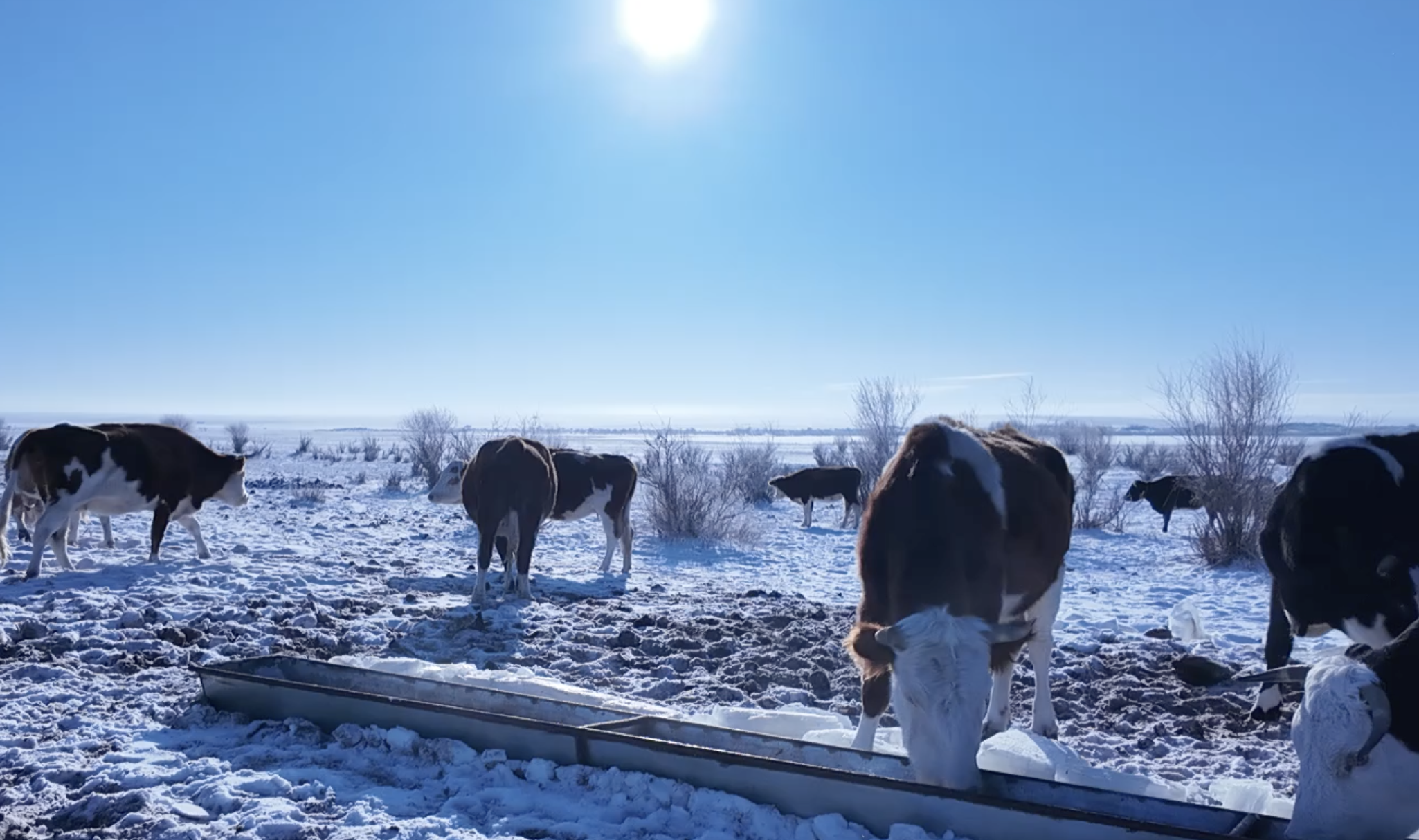
The cows are waiting for their water containers to be filled
After returning home and reimmersing himself in life on the grassland, Alatan Baolige no longer wanted to go back to the city. The freedom offered by the prairie is a rare treasure that noisy cities can never provide. Although he chose to return to the grassland, he does not like living in a traditional yurt. In winter, yurts are less practical than brick houses. One has to get up in the middle of the night to add fuel to the fire. There is no indoor toilet, only an outdoor pit toilet dozens of meters away, reached through biting cold winds. Yurts are simply not as convenient or as comfortable as brick houses.
Today, Alatan Baolige and his wife live in a newly built brick house. It is small but warm, equipped with everything associated with modern urban life. There is air conditioning, internet access, and heating. Yet his parents and grandmother do not enjoy this kind of convenience. Perhaps it is bloodline, perhaps ethnicity, or perhaps simply habit. The older generation, having lived their whole lives in yurts, cannot adapt to modern brick houses.
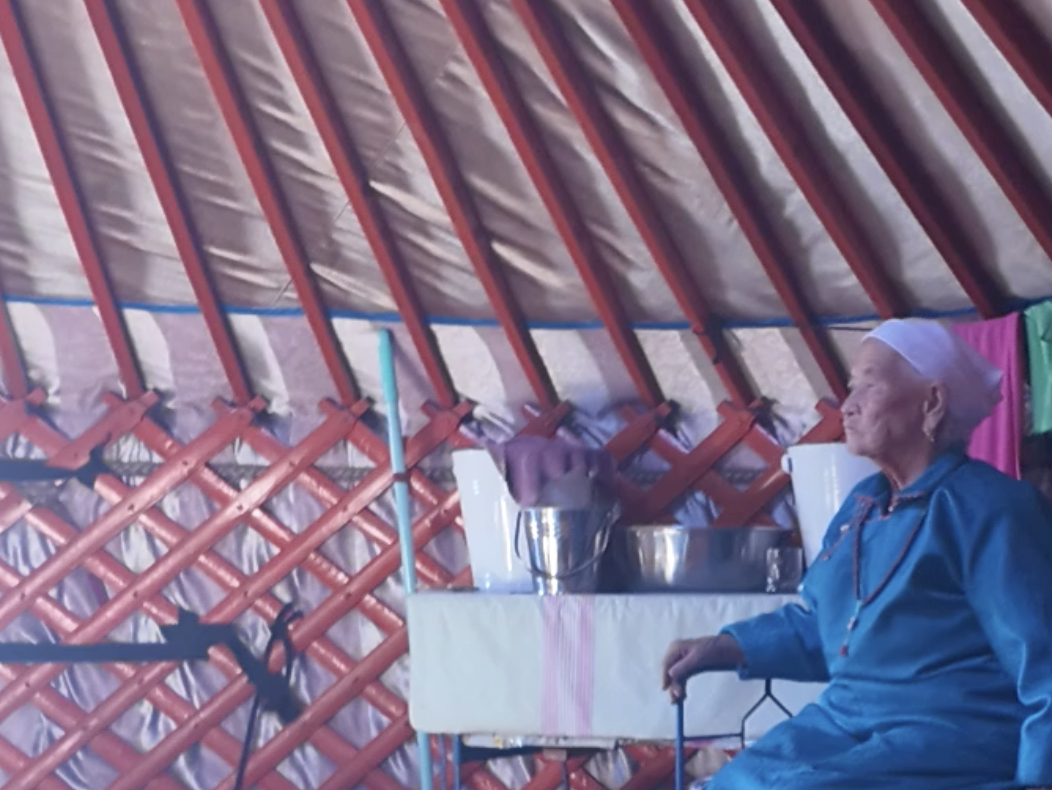
Alatan Baolige’s grandmother still lives in a yurt year round. She is one of the two percent that Dovdon once spoke of. She is in her eighties, and according to Alatan Baolige, just two years ago she was still riding horses, sometimes traveling dozens of kilometers in a single journey.
Alatan Baolige has a young son who can only say mama and papa. The child does not understand culture or modernity, yet he sleeps peacefully only in the yurt. When he stays in the brick house, he becomes restless at night.
Alatan Baolige told me that Mongolians belong to the grassland. No matter where they go or how far they roam when they are young, they will eventually return to it, because the vast grassland defines their culture and carries their lives within it, it is embedded in their identity, the grassland summons them when they are away.
