
Mid-Autumn Festival: the Forgotten Pain
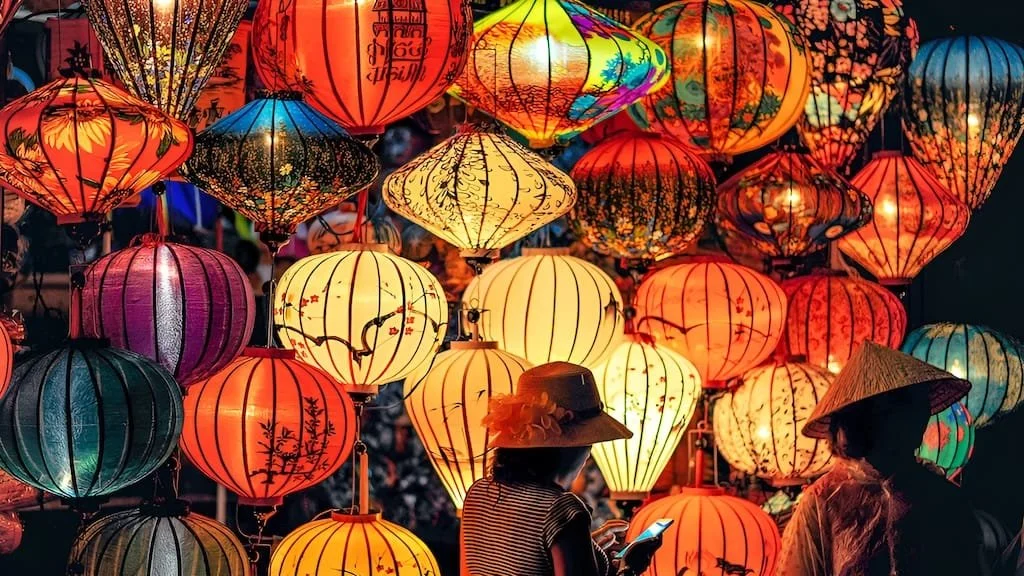
The Mid-Autumn Festival, celebrated across China, often evokes images of family reunions, mooncakes, and lanterns. However, beneath the surface of this seemingly harmonious festival lies a complex historical narrative that intertwines the Han Chinese and Mongolian peoples, particularly in the context of the Inner Mongolia Autonomous Region. Nowadays, schools and governmental institutions often propagate the festival's significance while often omitting the historical pain associated with the Mongolian conquest. The complicated yet fragile relationship between the Han and the Mongolian people in Inner Mongolia, China, highlight the significance and relevance of these ignored historical grievances.
The Mid-Autumn Festival, known as the "Moon Festival," has been celebrated for centuries in China, symbolizing unity, harvest, and gratitude. It is the day Chinese people celebrate the “roundedness” of the moon, by reuniting with family members in this time of the year. In the contrary, its historical roots encompass violent moments of conflict and conquest, particularly the subjugation of the Mongolian tribes by the Han Chinese empires.
The conquest of Mongolia by Han-led dynasties marked a significant turning point in the region's history. The Mongolian people, known for their rich nomadic culture and fierce independence, faced profound changes as they were integrated into the Chinese empire. This integration was often celebrated in literature and folklore, yet it simultaneously led to the suppression of Mongolian cultural identity and autonomy. The Mid-Autumn Festival, celebrated on the 15th day of the eighth lunar month, has thus become a poignant reminder of this historical trauma.
In the Inner Mongolia Autonomous Region, the government promotes the Mid-Autumn Festival as a cultural celebration that transcends ethnic boundaries. Schools play a pivotal role in this narrative, often emphasizing the festival's unifying aspects while minimizing its historical implications. Curricula are designed to promote national unity, placing the Han narrative at the forefront while sidelining Mongolian perspectives. This educational approach perpetuates a collective memory that overlooks the historical pain of conquest and assimilation.
Despite the dominant narratives, many Mongolian communities resist this imposed celebration. The Mid-Autumn Festival, for them, is a reminder of loss—loss of autonomy, cultural suppression, and historical trauma. In private celebrations, Mongolian families may honor their ancestors and reflect on their history, diverging from the state-sanctioned festivities. This resistance underscores the importance of cultural identity and the need for a more nuanced understanding of the festival's significance.
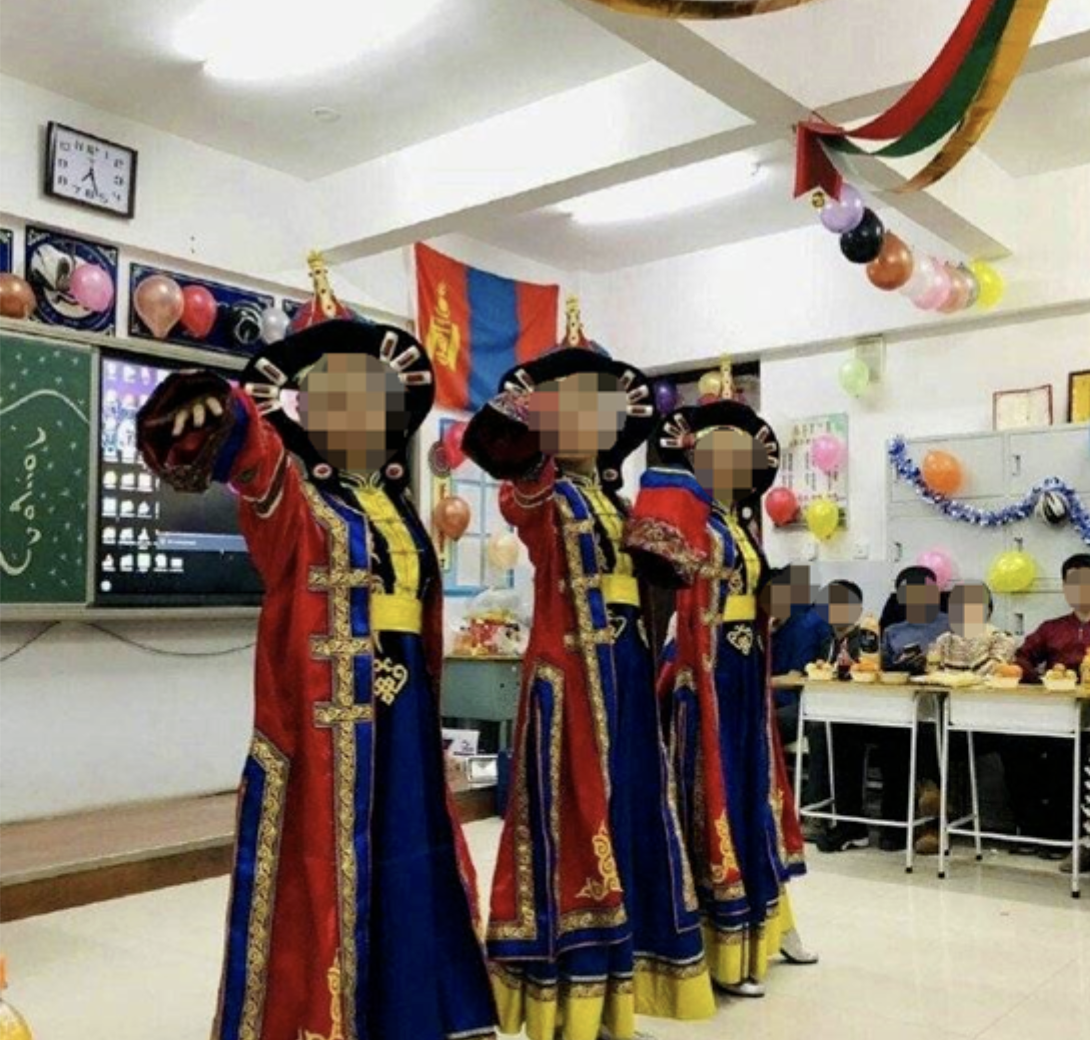
Unfortunately, the resistance has constantly been resolved through force and violence. Chifeng’s Mongolian Schools, were punished when a Mongolian teacher chose to hang the Mongolian flag next to the Chinese flag on the day of the festival. All images captured were censored and these events were silenced without ever being heard.
The moon, a central symbol of the Mid-Autumn Festival, holds different meanings for Han and Mongolian peoples. For the Han, it represents reunion and harmony; for the Mongols, it may evoke feelings of nostalgia and loss. This divergence in interpretation highlights the broader cultural tensions that exist within the region, emphasizing the need for dialogue and understanding between the two groups.
The Mid-Autumn Festival serves as both a celebration and a reminder of historical complexities in the relationship between Han and Mongolian peoples in China. While schools and governments promote a narrative of unity, they often neglect the painful history that underpins this festival. Recognizing and addressing these historical grievances is essential for fostering genuine reconciliation and understanding between the two cultures. As we celebrate the Mid-Autumn Festival, it is crucial to remember the stories and voices that are often forgotten, ensuring that the festival becomes a space for healing rather than a reminder of past pain.
